
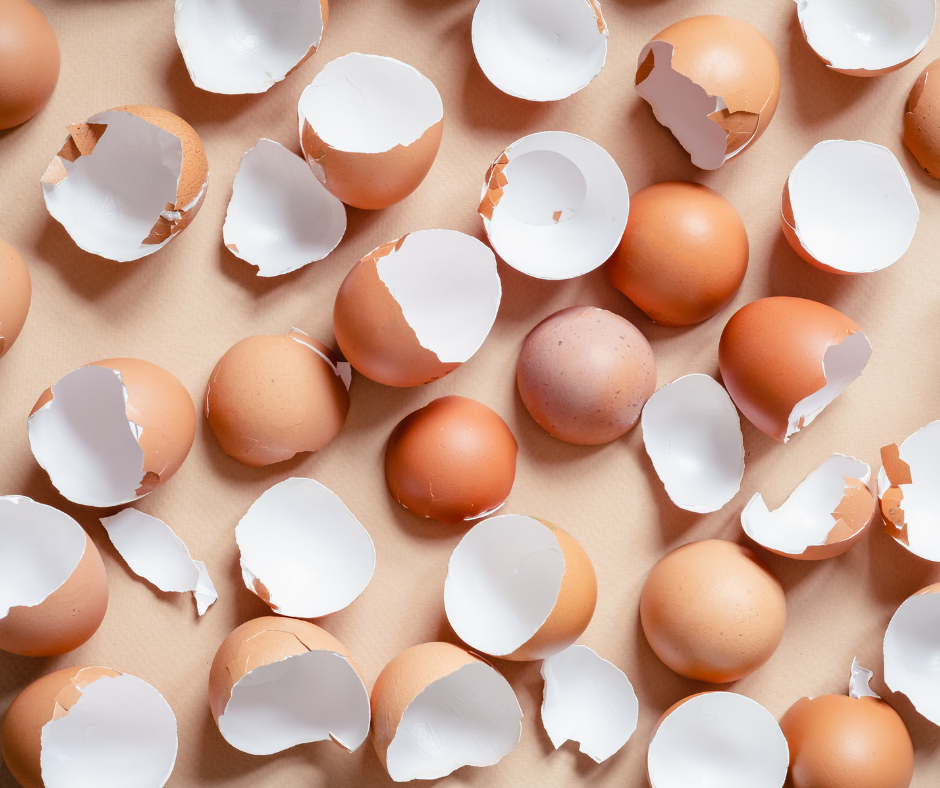
A chicken egg may look delicate, but its shell is an impressive piece of natural engineering. Made primarily from calcium carbonate, the eggshell is designed to protect the developing contents while still allowing the exchange of gases. Even more fascinating is the thin outer coating known as the “bloom”, which provides the egg with an additional layer of natural protection.
The eggshell is much stronger than its appearance suggests. Its curved, three-dimensional shape helps distribute pressure across the surface. Similar principles can be seen in arches and domes in architecture. When pressure is applied to an egg evenly, the curved shell can withstand a surprising amount of force. However, a sharp impact or concentrated pressure can cause the shell to crack because the force is focused on a small area.
An eggshell consists of several layers. The hard outer shell contains thousands of microscopic pores. These pores allow oxygen to enter and carbon dioxide and moisture to leave, which is essential if the egg is fertilised and an embryo is developing. At the same time, the shell provides a physical barrier against many external contaminants.
But the shell has another defence, the bloom, also known as the cuticle.
The bloom is a very thin, natural coating deposited onto the eggshell during the final stages of egg formation. It helps seal some of the microscopic pores on the shell surface and acts as a first line of defence against bacteria and other contaminants.
The bloom also plays a role in controlling moisture loss. Because eggshells are porous, water inside the egg can gradually evaporate during storage. The cuticle helps slow this process, contributing to the egg’s natural protection and freshness.
One of the most interesting things about the bloom is how easily it can be affected after the egg is laid. Washing or excessive handling can remove or damage parts of this natural coating. This is one reason egg handling and cleaning practices are carefully controlled in commercial egg production.
The bloom is not always visible as a dramatic coating. On some eggs, particularly brown eggs, it may contribute to a slightly matte or chalky appearance. The shell may appear shinier as the cuticle becomes worn or removed.
Together, the shell and bloom demonstrate how effectively nature protects an egg. The shell provides strength and structural protection, while the bloom provides an additional microscopic barrier.
So, the next time you hold a chicken egg, remember that you are holding a remarkably engineered structure. Its curves, pores, layers and natural bloom work together to protect what is inside, without any human engineering required.