
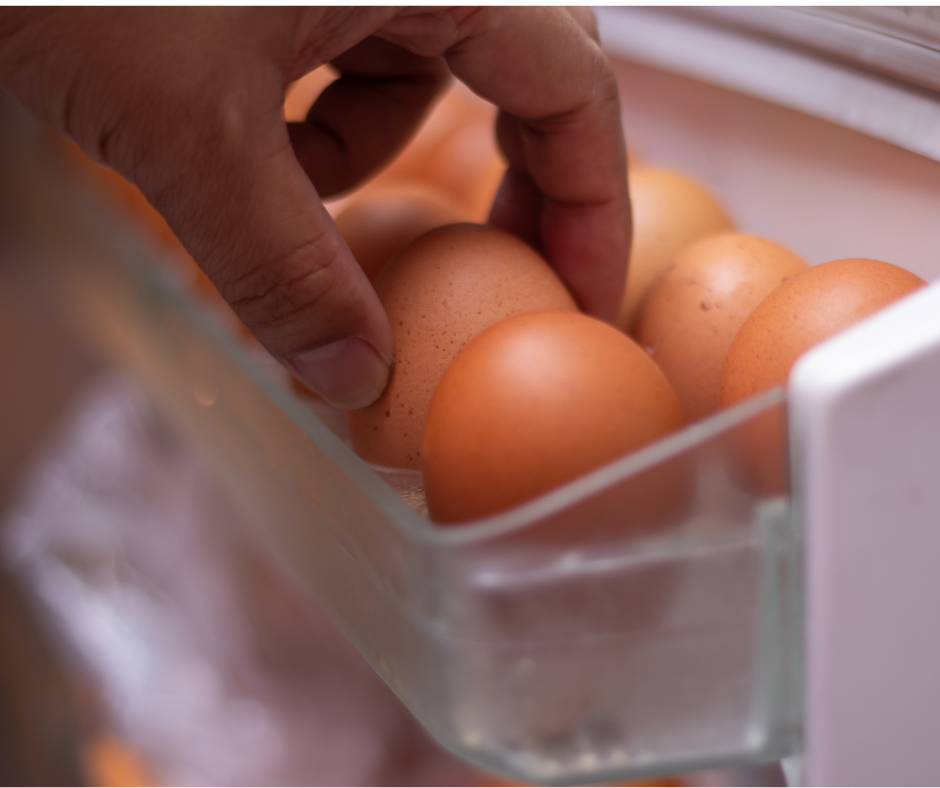
Have you ever wondered whether eggs belong in the refrigerator or whether they can safely sit on your kitchen counter? It is a common question in many households, especially when trying to keep eggs fresh for as long as possible. The answer depends on temperature, storage conditions and how the eggs have been handled before reaching your kitchen.
Refrigeration is generally the best way to extend the shelf life of eggs. Keeping eggs at a consistently cool temperature slows down quality deterioration and helps limit the growth of harmful bacteria. When stored correctly in their original carton at approximately 4°C or below, fresh, uncracked eggs can often maintain good quality for several weeks. However, their exact shelf life depends on freshness at purchase, handling and the supplier’s guidance.
The original carton provides extra protection against physical damage, helps prevent eggs from absorbing strong odours and keeps important date information close at hand. For the best results, store eggs on an internal refrigerator shelf rather than in the door. The door experiences more temperature fluctuations as it opens and closes throughout the day.
Eggs can stay fresh outside the refrigerator for a period, but their shelf life depends heavily on the surrounding temperature and whether the eggs have undergone washing or other processing. In cooler environments with stable temperatures, eggs may retain their quality longer than they would in a hot kitchen. However, warm conditions can accelerate deterioration and increase food safety risks.
In South Africa, where temperatures can become particularly high during summer, leaving eggs on a countertop for extended periods is not the best choice. A crucial consideration is condensation. When refrigerated eggs are exposed to warmer air, moisture can form on their shells. This may encourage bacteria on the shell to move through its pores. For this reason, eggs that have been chilled should remain refrigerated.
Refrigeration helps preserve an egg’s internal quality. As eggs age, the thick white gradually becomes thinner, and the air cell inside the shell grows larger as moisture and carbon dioxide escape. Although these changes do not necessarily mean an egg is unsafe, they can affect cooking and baking results. Fresher eggs generally have firmer whites, making them ideal for poaching and frying.
For most South African households, keeping eggs consistently refrigerated is the safest and most practical option. Store them in their original carton, follow the packaging instructions and avoid temperature fluctuations. Remember that refrigeration cannot make spoiled eggs safe again, and smell alone cannot reliably detect harmful bacteria. Discard cracked eggs and cook eggs thoroughly.
A little care with storage can help protect your family, reduce unnecessary food waste and keep your eggs fresher for longer!