
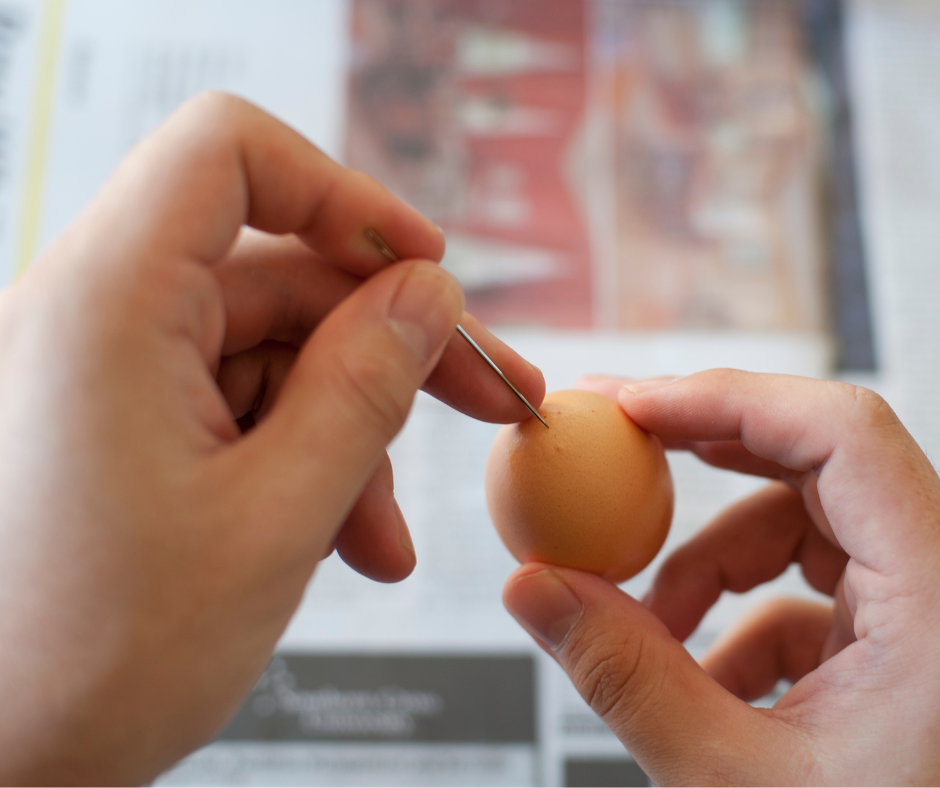
Making a small hole in an eggshell may sound simple, but it requires a gentle touch and the right technique. Whether you’re creating beautiful painted eggs for crafts, decorating Easter eggs, or blowing out the contents to preserve the shell, learning how to make a clean hole without shattering the egg is a useful skill.
The first step is to choose a fresh egg with an uncracked shell. Wash the egg gently with warm water and mild soap to remove any dirt or bacteria, then dry it thoroughly. This ensures a clean surface and reduces the risk of contamination if you’re handling the egg’s contents.
To create the hole, you’ll need a pin, sewing needle, thumbtack, or egg piercer. Hold the egg firmly but gently in one hand. Start at the wider end of the egg, where there is an air pocket inside. Carefully press the tip of the pin against the shell and twist it slowly. Avoid using excessive force, as this can cause the shell to crack. Gradually enlarge the hole by moving the pin in a circular motion.
If you plan to blow out the egg, make a second hole at the narrow end. The second hole should be slightly smaller than the first. Insert the pin gently into the holes to break the yolk inside. This helps the egg contents flow out more easily.
Hold the egg over a bowl and blow gently through the smaller hole, or use a small egg blower if available. The yolk and egg white will exit through the larger hole. These can still be used for cooking if the egg has been handled hygienically and has not been left at room temperature for too long.
Once the egg is empty, rinse the shell with warm water by allowing water to flow through the holes. Shake out the excess water and leave the shell to dry completely before decorating or storing it.
If your goal is simply to pierce an egg before boiling, only one tiny hole is needed at the wider end. This can help reduce the chance of the shell cracking during cooking by allowing air to escape.
With patience and a steady hand, making a neat hole in an egg becomes quick and easy. Whether you’re preparing eggs for arts and crafts, educational projects, or decorative displays, using the correct method helps preserve the delicate shell while achieving a clean and professional result.